
How to Build an MVP for Your Startup: A 2026 Guide
Most MVPs don't fail because the idea was bad. They fail because the founder built a full product before anyone had proven the idea was worth building at all - six months and a real budget spent on features nobody asked for, discovered only after launch, when it's the most expensive time to find out.
The actual purpose of an MVP is narrower and less glamorous than "your first product." It's a tool for answering one question as fast and cheaply as possible: does this specific problem, for this specific group of people, actually need solving badly enough that they'll use - or pay for - your solution? Everything else is secondary until that question has a real answer.
Quick answer: a well-scoped MVP typically takes 8–14 weeks to build and should include no more than 3–7 core features - if your list is longer than that, you're not building an MVP anymore. Validate the problem before writing any code, cut ruthlessly during scoping, and treat the launch as the start of learning, not the finish line. Working with an experienced software development company in Noida can meaningfully shorten this timeline, mostly because the scoping discipline - knowing what to leave out - is a skill that takes real project experience to develop.
Here's the process, step by step.
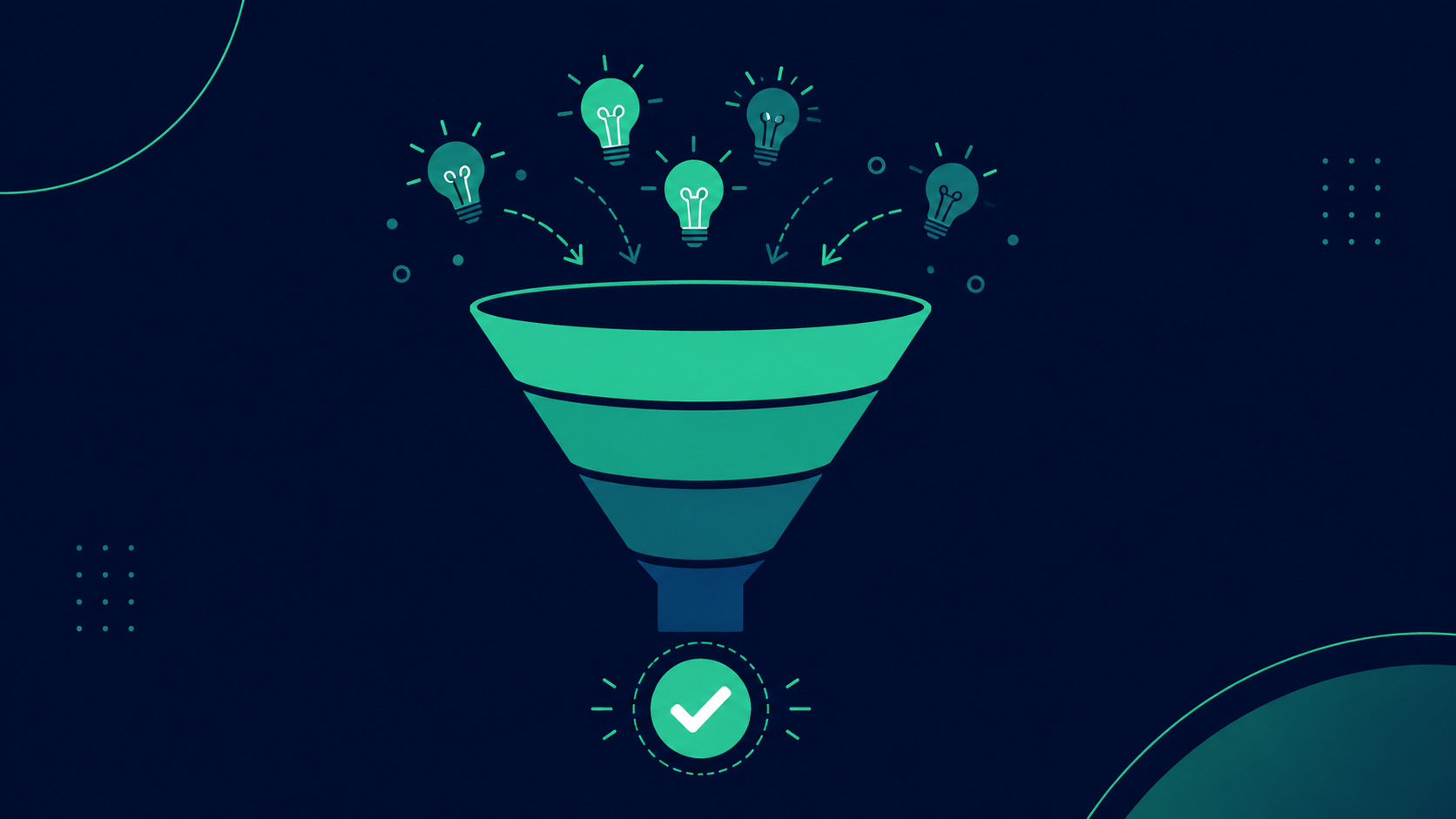
Step 1: Validate Before You Build Anything
The single most expensive mistake a founder can make is building something nobody actually wants. Validation should happen before a single line of code gets written, not after.
Real validation looks like: structured interviews with 20–30 people in your actual target market, focused on their current problems and existing workarounds - not pitching them your idea. A simple landing page describing the solution, with real ad traffic driven to it and a genuine signup or waitlist conversion rate tracked (above roughly 3–5% is a reasonable early signal, though this varies by category). A close look at existing competitors - their presence usually means real demand exists, and their absence is worth investigating rather than assuming it means untapped opportunity. And where it's feasible, a "concierge" test - manually delivering the service yourself to a handful of early users before building any software at all, to confirm the underlying need is real.
Step 2: Cut the Feature List Ruthlessly
The hardest part of MVP scoping isn't deciding what to build - it's deciding what not to. Every additional feature adds cost, adds time, and dilutes the signal you're trying to get from early users about whether your core idea actually works.
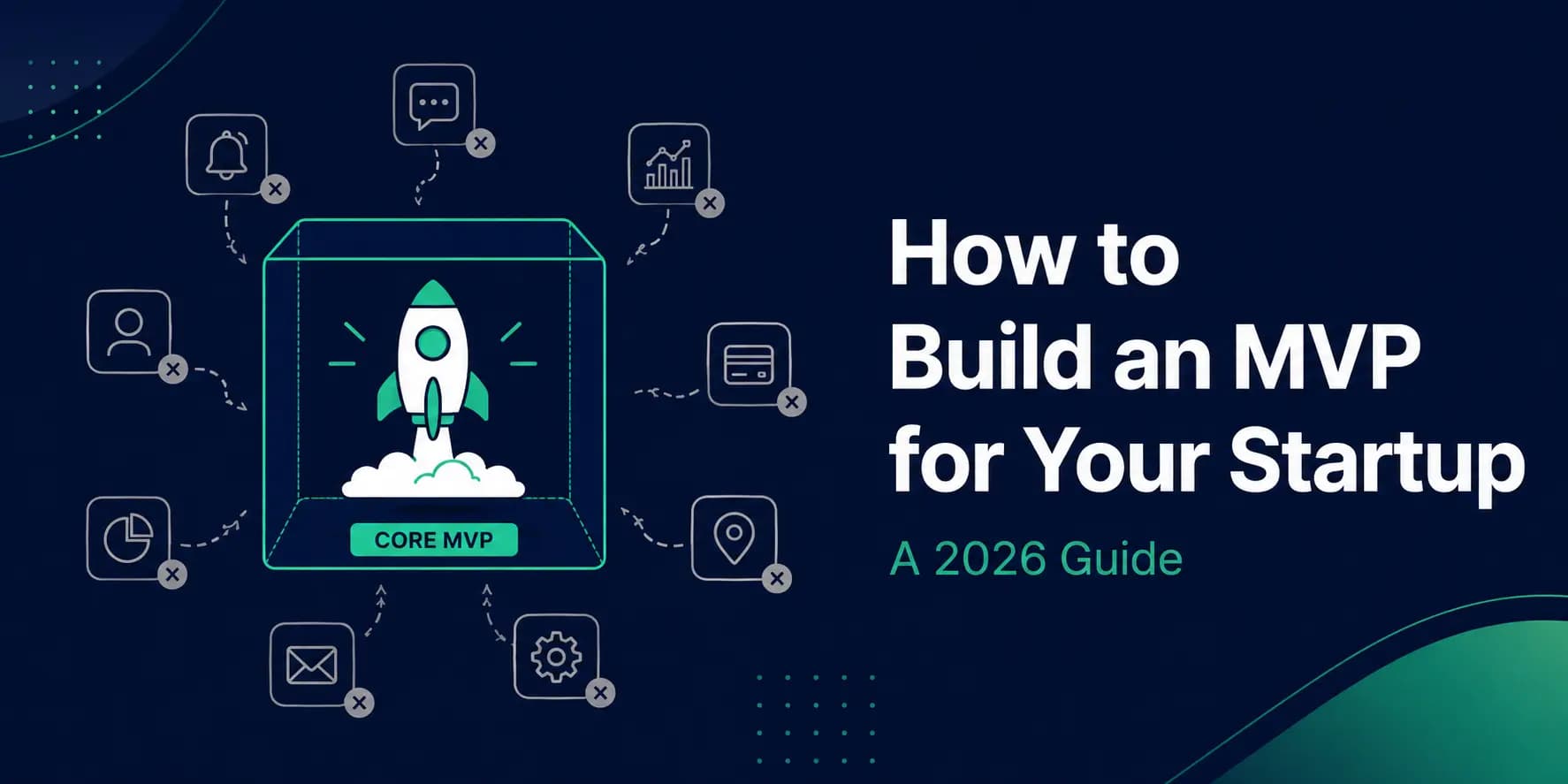
Start by naming the single assumption your whole business depends on. Your MVP exists to test that one thing. For every feature under consideration, ask plainly: can a user experience the core value without it? If yes, it doesn't belong in version one. A genuinely disciplined MVP holds to somewhere between 3 and 7 core features - past ten, you're no longer building a minimum viable product, you're building a full version one, on a fraction of the budget and testing it was supposed to have.
Step 3: Pick a Tech Stack That Optimizes for Speed, Not Permanence
Your MVP's technology choices should serve one goal: how fast can you validate the idea and iterate based on what you learn. Over-engineering for a scale you don't have yet is one of the quieter ways MVP budgets get wasted.
A typical web-based MVP runs on a modern JavaScript framework for the frontend, a straightforward backend language, and a standard relational database - nothing exotic, because exotic tooling slows a small team down without adding proportional value at this stage. A mobile MVP usually leans on cross-platform frameworks rather than separate native builds for iOS and Android, since maintaining two codebases before you've validated demand rarely makes sense. For SaaS products specifically, a stack that handles subscription billing and multi-tenant data cleanly out of the box saves real early-stage engineering time. And for concepts that genuinely fit within a no-code platform's constraints, a no-code or low-code build can validate an idea in a fraction of the time - worth considering honestly before committing to a fully custom build.
Step 4: Prototype Before You Develop
A clickable prototype - built in a design tool, not code - does real work before development starts: it aligns everyone on what's actually being built, and it's the cheapest possible stage to catch a confusing flow or a missing step in the user journey. Fixing a usability problem in a prototype costs a design iteration. Fixing the same problem after development costs a rebuild.
Test the prototype with 5–8 real people from your target market before writing any code. Use realistic content rather than placeholder text - people evaluate a product very differently when they're looking at something that resembles their actual use case.
Step 5: Build in Short, Visible Cycles
With a validated idea, a disciplined feature list, and a tested prototype, development itself should move in short, visible sprints - typically two weeks each - so progress stays checkable and course corrections stay cheap.
Build the riskiest or most technically uncertain piece first. If something genuinely isn't feasible, you want to know in week two, not week ten. Aim for functional over polished - an MVP that works reliably but isn't pixel-perfect is normal and expected; users forgive rough edges when the core value is real. And instrument analytics from day one - an MVP with no usage tracking teaches you almost nothing once it's live, which defeats the entire purpose of building it first.
Step 6: Get It in Front of Real Users Immediately
The day your MVP is functional, it should be in front of real users. Every day without feedback is a day of development effort spent without confirming it was worth spending.
Recruit a genuine beta group - 15 to 40 people from your actual target market is usually enough for a first read. Track what they actually do, not just what they say: which features get used, where people get stuck, whether they come back on their own without a reminder. That last signal - unprompted return usage - is one of the more honest indicators that a product is delivering real value rather than just novelty.
Step 7: Iterate on What You Learn, Not What You Assumed
Your first MVP won't be right, and that's fine - that's what it's for. Sort what you learn into a few honest buckets: features people genuinely use (invest further here), features people ignore (find out why before deciding to fix or cut), and features people specifically ask for (weigh against your original core hypothesis before adding, rather than reflexively saying yes to every request).
The Mistakes That Kill MVPs Before They Launch
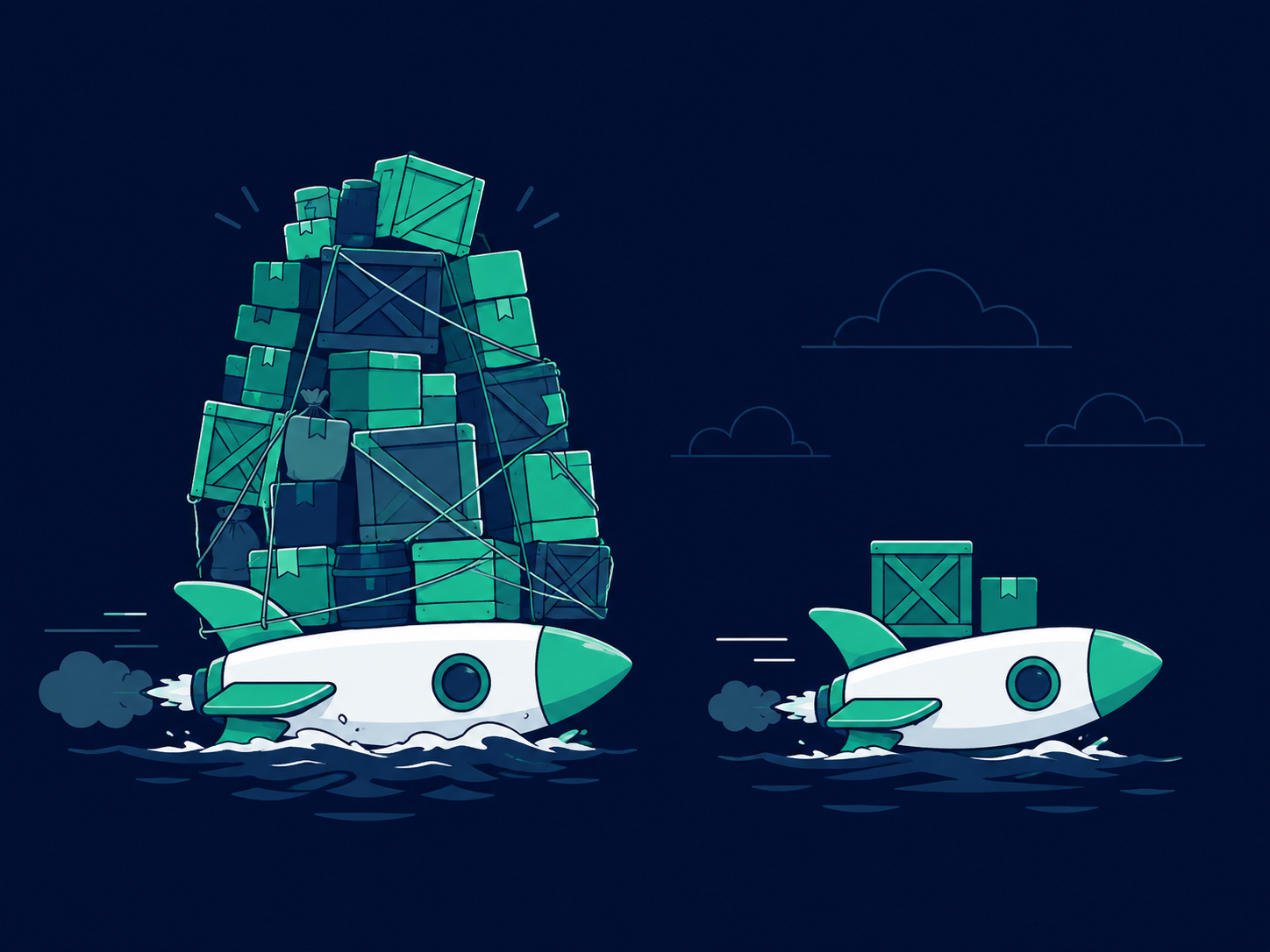
- Building too much. If an MVP is taking more than roughly 16 weeks, it has almost certainly stopped being minimal somewhere along the way.
- Skipping validation entirely. Building on assumptions instead of evidence is the single most common root cause behind an MVP that launches to silence.
- Chasing polish too early. Time spent perfecting a feature that might not survive the first round of user feedback is time that wasn't spent learning.
- Picking a partner on price alone. The cheapest development option often produces something that needs a full rebuild once real usage reveals its limits - see how custom software is typically priced for what actually drives that cost.
- No defined success criteria. Launching without agreeing in advance what "validated" actually looks like makes it nearly impossible to know honestly whether the MVP worked.
- Scaling before product-market fit. Investing in infrastructure, hiring, or marketing spend before the core idea is proven is one of the more common ways early runway gets burned for no real return.
What This Looks Like With Toadster
Toadster builds MVPs the same disciplined way - a real validation and scoping conversation before development starts, so the build stays genuinely minimal instead of quietly growing into a full product on an MVP budget. As a software development company in Noida working with early-stage founders as well as established businesses, the scoping discipline that keeps an MVP fast and cheap is the same discipline that keeps a larger project from running over budget later.
If you're weighing whether to build custom or lean on no-code tools first, our software development team can walk through what fits your specific idea and stage. And if Software is part of the product from day one, our page on Software development company in Noida work covers how we approach that side of the build.
Build the Smallest Thing That Actually Tests the Idea
The founders who win the MVP stage aren't the ones with the most features at launch - they're the ones who got to a real answer, fast and cheap, about whether the idea was worth building further. Everything past that point is optimization. Getting to that answer is the actual job.
If you're scoping an MVP and want a real read on what it would take to build - timeline and cost, not a generic range - talk to Toadster for a scoping conversation.